
Keep Your Lawn Healthy Through the Heat of an Ohio Summer
Summer in Lancaster, Ohio, puts your lawn to the test. Between the heat, humidity, and afternoon storms that roll through Fairfield County from June through August, cool-season grasses like fescue and Kentucky bluegrass need specific care to stay thick and green. Here are the summer lawn care tips that actually make a difference — and what to do when the season gets ahead of you.
Mow Higher and Mow Often
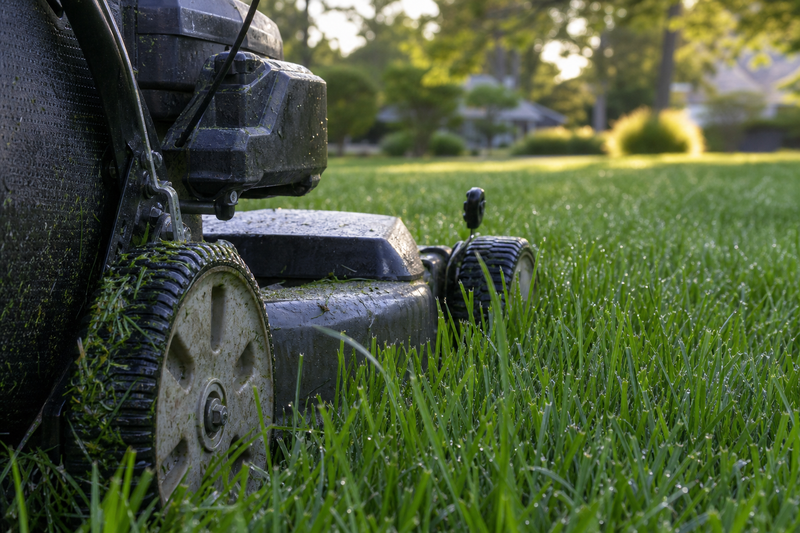
The single most impactful thing you can do for your lawn this summer is raise your mowing height. In central Ohio, cool-season grasses perform best when cut to 3.5 to 4 inches during the warmer months. Taller grass shades the soil, which reduces moisture loss and makes it harder for weeds like crabgrass to take hold.
Stick to the one-third rule: never remove more than one-third of the grass blade in a single mowing. If your lawn gets away from you after a week of rain, resist the urge to scalp it back down in one pass. Cut it once, wait a few days, and mow again at a lower setting. Scalping stresses the root system and invites disease.
Additional Summer Mowing Tips
- Mow in the morning or evening instead of during peak afternoon heat
- Sharpen mower blades at least once during the season
- Alternate mowing patterns to reduce soil compaction
- Leave grass clippings behind to naturally return nitrogen to the soil
These small adjustments can dramatically improve lawn health throughout the summer months.
Water Deeply, Not Daily
Ohio summers often swing between heavy rain and long dry spells. When rainfall slows down, the way you water matters more than how often you water.
Your lawn needs about one inch of water per week, ideally spread across two or three deep watering sessions. Shallow daily watering keeps roots near the surface, making grass far more vulnerable to heat stress. Deep watering encourages roots to grow deeper into cooler soil where moisture lasts longer.
Best Time to Water Your Lawn
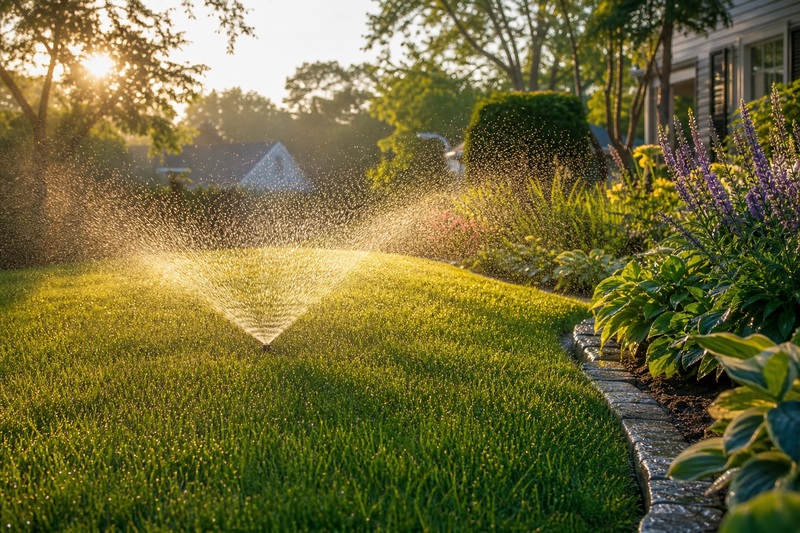
The best time to water is:
Between 5 a.m. and 9 a.m.
Morning watering allows grass to absorb moisture before the sun evaporates it while avoiding the fungal problems caused by overnight moisture buildup. Evening watering frequently contributes to diseases like brown patch, especially during humid Fairfield County summers.
Signs Your Lawn Needs Water
Watch for these common drought stress indicators:
- Grass turning dull blue-green
- Footprints remaining visible after walking
- Wilted or folded grass blades
- Dry, crunchy texture underfoot
Catching drought stress early helps prevent permanent summer damage.
Stay on Top of Weed Control
Weeds thrive during Ohio summers if lawns become thin or stressed. Crabgrass, clover, dandelions, and nutsedge compete directly with healthy turf for water and nutrients.
The best long-term weed control strategy is maintaining a dense lawn through proper mowing and watering. Thick turf naturally crowds out many invasive weeds before they can establish.
Common Summer Weeds in Ohio
Crabgrass
Pre-emergent treatments in early spring provide the best defense. Once crabgrass appears, younger plants are easier to control with post-emergent treatments.
Broadleaf Weeds
Dandelions and clover typically respond well to selective spot treatments. Avoid spraying broad herbicides during high heat, as stressed lawns can suffer additional damage.
Nutsedge
Nutsedge requires specialized control products because it is neither a broadleaf weed nor a true grass. Standard weed killers usually will not eliminate it.
If weed pressure becomes overwhelming, professional lawn treatment programs can save homeowners significant time and frustration while delivering better seasonal results.
Skip Heavy Fertilizing Until Fall
Many homeowners assume summer is the ideal time to fertilize, but cool-season lawns in Ohio actually respond best to fertilization during the fall growing season.
Heavy nitrogen applications during July and August force grass into excessive top growth while the lawn is already struggling against heat stress. That weakens root systems and increases the risk of:
- Drought damage
- Fungal disease
- Insect activity
- Burned turf
If your lawn received fertilizer in late spring, it likely has enough nutrients to carry through summer. The next major feeding should usually happen in late August or early September when cooler temperatures return.
Watch for Heat Stress and Lawn Disease
Ohio’s combination of heat and humidity creates ideal conditions for lawn disease during summer. Two of the most common problems in Fairfield County are brown patch and dollar spot.
Brown Patch
Brown patch appears as circular areas of wilted or dead grass, often surrounded by a darker outer ring. It thrives in warm, wet conditions and commonly develops in overwatered or overfertilized lawns.
Dollar Spot
Dollar spot appears as small straw-colored patches about the size of a silver dollar. It is more common in underfed or drought-stressed lawns.
The First Solution Is Usually Cultural
Before reaching for fungicides, correct the underlying issues:
- Water earlier in the day
- Mow at proper height
- Improve airflow
- Avoid excessive nitrogen applications
Many lawn diseases improve significantly once basic lawn care practices are corrected.
Prepare Your Lawn for Fall Recovery
Summer lawn care in Ohio is really about helping your lawn survive the heat so it can thrive during fall recovery season. Late August through October is when cool-season grasses naturally rebound, repair thin areas, and strengthen root systems before winter.
The work you put in during summer — proper mowing, deep watering, weed control, and avoiding unnecessary stress — directly affects how your lawn looks by October. Homeowners who stay consistent through summer usually see thicker, greener turf heading into fall.
Professional Lawn Care in Lancaster, Ohio
If your lawn is already thin, stressed, or overrun with weeds, now is the time to put a long-term plan in place. All Season Lawn Pro works with homeowners throughout Lancaster and Fairfield County on:
- Weekly mowing
- Lawn treatments
- Weed control
- Landscaping
- Seasonal cleanup
- Full-service lawn maintenance
A healthy lawn improves curb appeal, protects property value, and creates an outdoor space your family can actually enjoy all summer long.
Schedule Lawn Care Service in Fairfield County
Call All Season Lawn Pro today or visit:
allseasonlawnpro.com
to schedule a consultation and keep your lawn looking its best through the Ohio summer season.