
Summer in Lancaster, Ohio means long days, warm nights, and weeds. If crabgrass is creeping across your driveway edge, clover is taking over the backyard, or dandelions keep coming back no matter how many you pull, you are not alone. Weed control in Lancaster, Ohio is one of the most common lawn care challenges property owners face from late spring through early fall, and mid-July is when the problem tends to peak.
The good news is that a healthy, well-maintained lawn is the single best defense against weeds. Here is what is actually happening in your yard right now, what works, and when it makes sense to call in a professional.
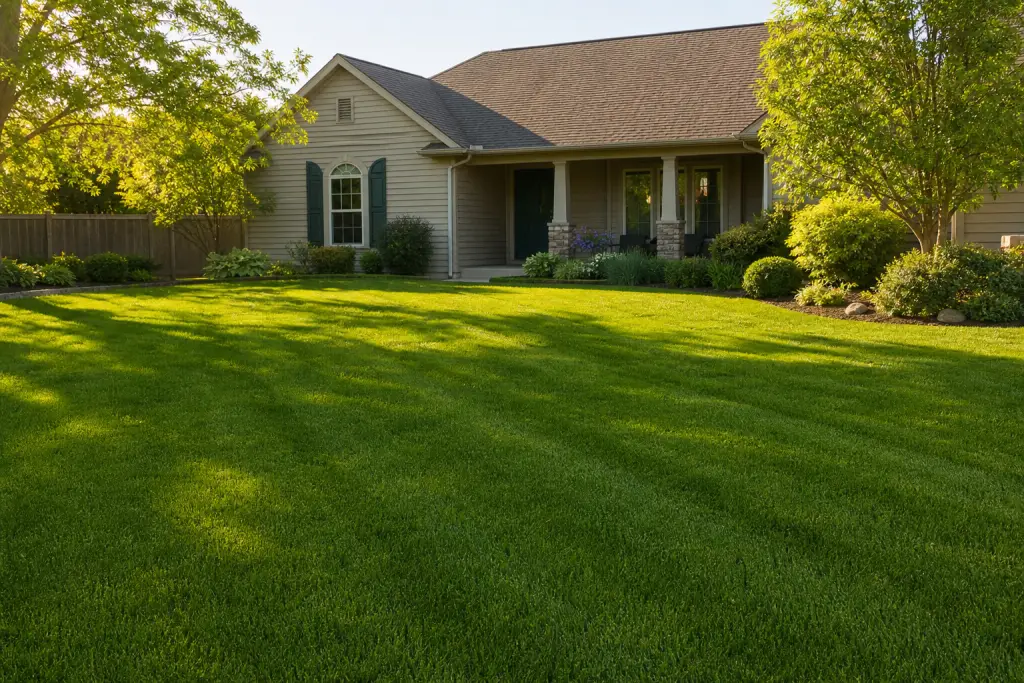
Why Weeds Take Over Ohio Lawns in Summer
Weeds thrive when your lawn is stressed, and July in Fairfield County delivers plenty of stress. Temperatures in the mid-80s to low 90s push cool-season grasses like Kentucky bluegrass and tall fescue into a slower growth phase. When turf slows down, it opens up space in the canopy. Weeds are opportunistic, and they fill those gaps fast.
The most common summer weeds in the Lancaster area include:
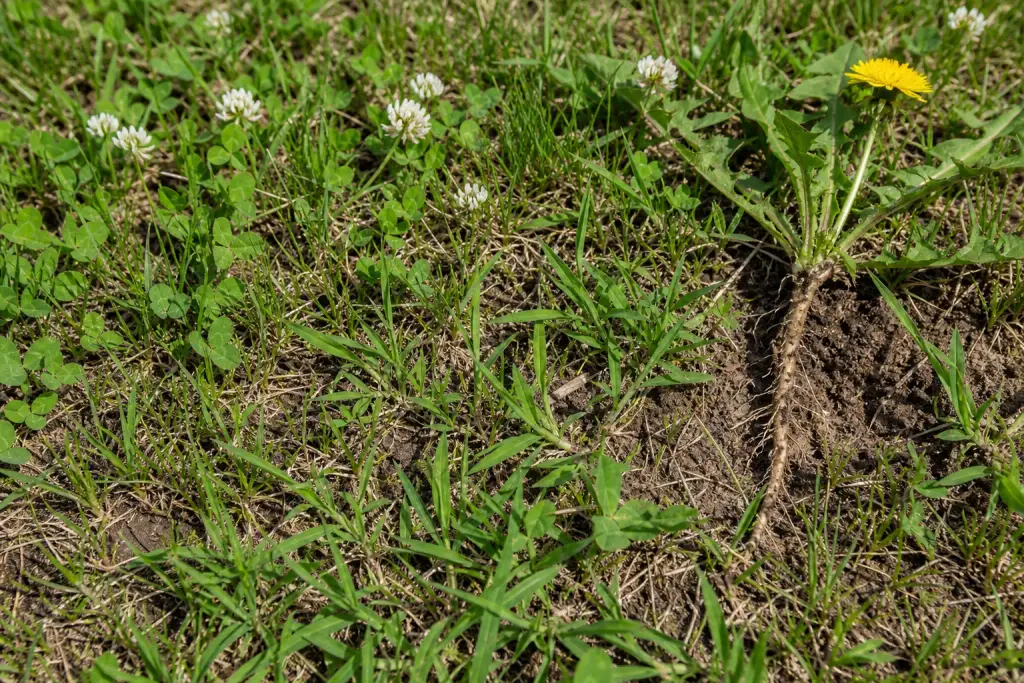
- Crabgrass – The most aggressive warm-season annual in central Ohio. It germinates when soil temperatures hit 55°F (typically mid-April) and explodes through July and August. Once established, it spreads quickly across thin or bare spots.
- Clover – Often a sign of low nitrogen levels in the soil. White clover is perennial and will return year after year if the underlying soil issue is not corrected.
- Dandelions – Technically a perennial that germinates in both spring and fall. Deep taproots make hand-pulling ineffective unless you get the entire root.
- Nutsedge – Looks like grass but grows faster and has a yellowish-green color. It thrives in wet areas and is notoriously difficult to control with standard herbicides.
- Broadleaf Plantain – Common in compacted soil near walkways, driveways, and high-traffic areas. It signals a soil structure problem more than a chemical one.
Understanding which weeds you are dealing with matters because the treatment approach is different for each one.
Pre-Emergent vs. Post-Emergent: What Works and When
Weed control falls into two categories, and timing is everything.
Pre-emergent herbicides prevent weed seeds from germinating. For crabgrass, the biggest summer weed threat in Ohio, pre-emergent applications need to go down in early to mid-April before soil temperatures consistently reach 55°F. If you missed that window this spring, pre-emergent will not help with crabgrass this season. However, a fall pre-emergent application in September can target winter annuals like henbit and chickweed before they establish.
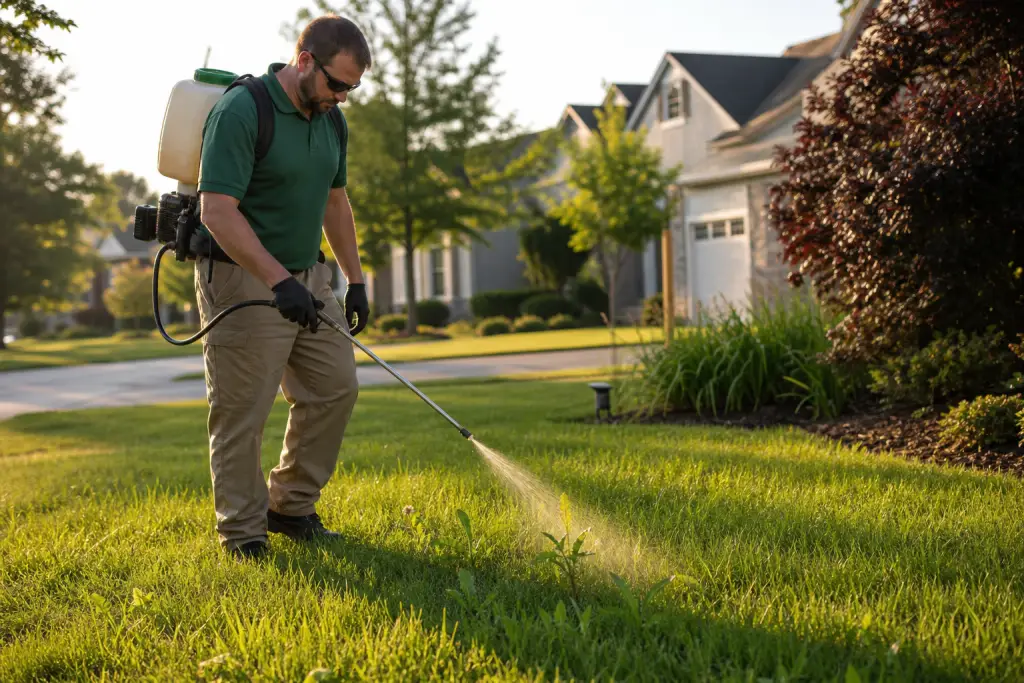
Post-emergent herbicides target weeds that are already growing. This is the approach that matters most right now in mid-July. Post-emergent treatments are effective on broadleaf weeds like dandelions, clover, and plantain when applied correctly. Crabgrass requires a specialized post-emergent product since standard broadleaf herbicides will not control it.
A few important guidelines for post-emergent treatments in July include:
- Temperature matters. Most post-emergent herbicides should not be applied when temperatures exceed 85°F. Early morning applications on cooler days are ideal.
- Active growth is key. Weeds need to be actively growing to absorb the herbicide.
- Selective vs. non-selective. Selective herbicides target weeds without harming your lawn, while non-selective products like glyphosate kill everything they touch.
For most homeowners, the safest and most effective approach is a professional lawn treatment program that includes both pre-emergent and post-emergent applications timed to Ohio’s growing seasons.
Cultural Practices That Prevent Weeds Naturally
Herbicides are only part of the equation. The most effective long-term weed control strategy is a thick, healthy lawn that simply does not leave room for weeds to establish.
Mow at the Right Height
In July, cool-season grasses in central Ohio should be mowed at 3.5 to 4 inches. Taller grass shades the soil surface, preventing weed seeds from receiving the sunlight they need to germinate.
Water Deeply and Less Frequently
One inch of water per week, applied in one or two deep watering sessions, encourages deeper root growth while discouraging shallow-rooted weeds.
Fertilize on Schedule
A well-fed lawn is a dense lawn. In Ohio, the most important fertilizer applications are in September and November. A light summer feeding can help maintain color, but avoid heavy nitrogen during the hottest part of the summer.
Aerate and Overseed in Fall
Core aeration relieves soil compaction and creates the ideal environment for overseeding. Filling thin areas in fall helps prevent weeds from invading the following spring.
When to Call a Professional for Weed Control
Some weed problems respond well to DIY treatments, but others require professional attention.
You should consider professional weed control if:
- Crabgrass has spread across large sections of your lawn.
- Nutsedge continues to return after treatment.
- Multiple weed species are growing throughout the yard.
- Your lawn has widespread bare or thin areas.
- You missed the spring pre-emergent application window.
At All Season Lawn Pro, we see every type of weed issue across Lancaster and Fairfield County. As a locally owned company with a 5-star Google rating, we design lawn treatment programs specifically for Ohio growing conditions rather than using a one-size-fits-all approach.
Take Back Your Lawn Before Fall
Mid-July might feel late to start thinking about weed control, but the next eight weeks are critical. Weeds that are allowed to produce seed now will create a much bigger problem next spring. Treating active weeds this summer, combined with a strong fall aeration and overseeding program, sets your lawn up for success next year.
All Season Lawn Pro provides comprehensive weed control and lawn treatment programs for residential and commercial properties in Lancaster, Ohio and throughout Fairfield County. Whether your lawn needs a targeted treatment or a full-season program, we will assess your property and recommend a plan that actually solves the problem.
Contact All Season Lawn Pro today for a lawn assessment and take the first step toward a healthier, weed-free yard.